


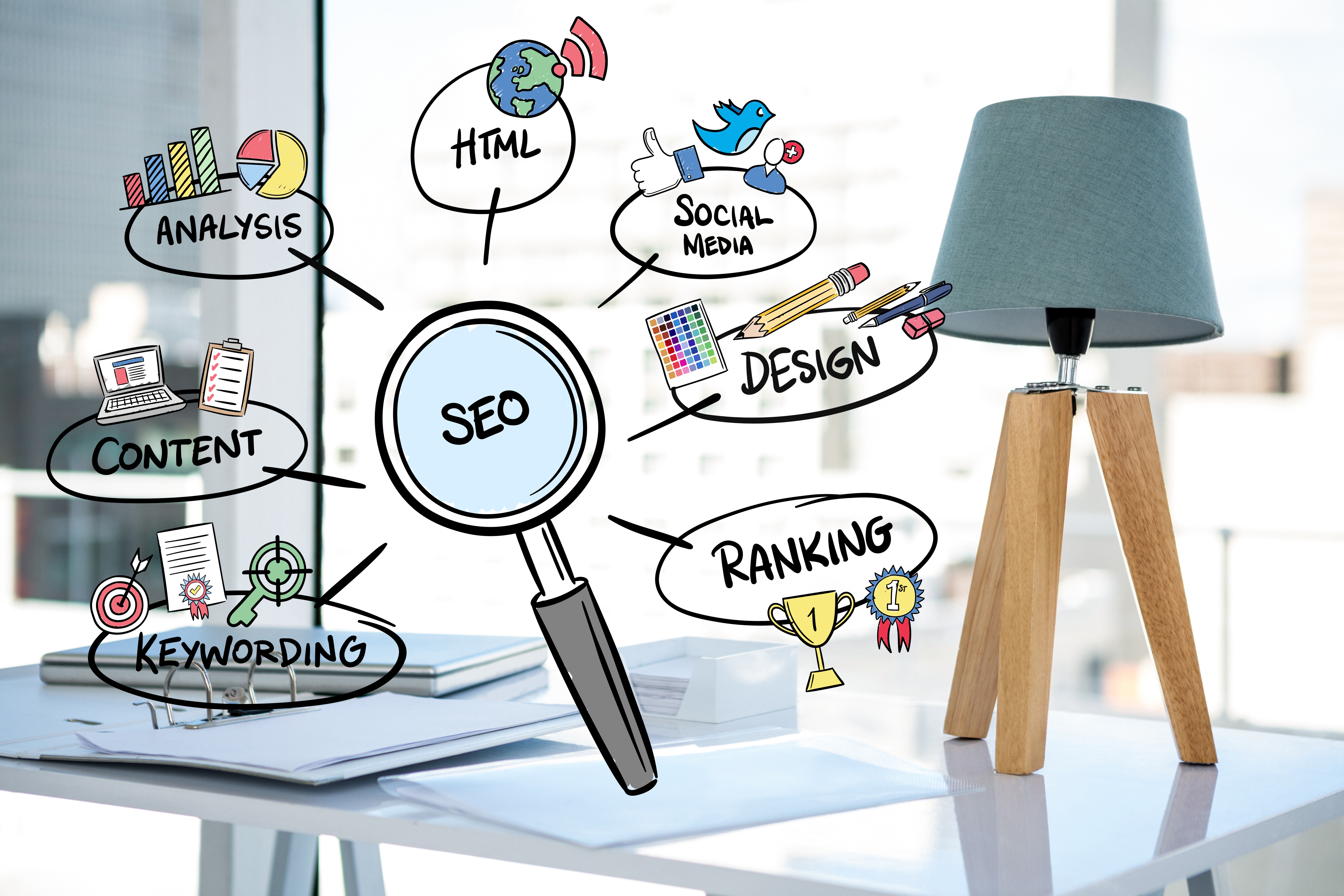
The majority of businesses treat SEO and social media as two individual channels. SEO is sluggish but efficient. Social media is quick but short-lived till you are spending a large amount of money on it. The issue is, this division restricts expansion.
An efficient approach is to merge both into a joint SEO and social media marketing strategy that supports each other. When attempted properly, social media drives presence and engagement, while SEO transforms that attention into enduring organic traffic.
This article cracks down on a realistic method to unite both channels for continuous development.
An effective SEO and social media marketing strategy is not about selecting one channel over the other-it’s about utilizing both to increase content reach.
Search engines reward:
• backlinks
• engagement signals
• content visibility
Social media generates:
• Fast traffic Spikes
• brand exposures
• content distribution
When merged, they build a loop:
Social media → traffic → engagement → SEO signals → rankings → more traffic
This is the basis of the latest SEO and social media integration.
Growth doesn’t take place rapidly — it compounds.
This is considered the snowball effect in SEO and social media growth strategy.
• Publish best-quality content (blog or landing page)
• Deliver it across social media platforms
• Draw backlinks and mention
• Enhance SEO rankings
• Get engaged organic traffic.
Once this loop starts, it becomes self-sufficient.
Stability is key. A powerful social media posting strategy for SEO makes sure the flywheel keeps rotating.
One of the most ignored segments of a powerful SEO social media growth strategy is the arrangement of keywords and hashtags.
Search engines heavily rely on keywords; on the other hand, social platforms use hashtags.
Instead of focusing only
• “SEO strategy”
You also aim to:
• “how to use social media for SEO Traffic”
•” SEO distribution of content via social media”
On social platforms:
• #SEOtips
• #ContentMarketing
• #DigitalMarketingStrategy
This increases content distribution strategy over both search and social platforms.
A strong social media SEO strategy is not limited to publishing—it’s about reusing.
One blog can become:
• LinkedIn posts
• Twitter threads
• Instagram carousels
• YouTube shorts
• Email newsletter content
This strategy is known as a content amplification strategy.
It enhances reach without building new content from scratch, increasing both the following:
Social proof acts as a major role in both SEO and social media.
Content that contain:
• shares
• engagement
• mentions
is more expected to be reliable and well deserves to get more clicks.
This enhances:
• click-through rate (CTR)
• backlink potential
• brand authority
Due to this reason, social media for SEO ranking is turning into more significant than ever before.
An accomplished SEO and social media marketing strategy is all the time data-driven.
Use tools like:
• Google Search Console (SEO performance)
• social media analytics (engagement data
Key insights you should track:
• whose content is perceived to share the most from audience
• which posts acquire traffic to your website
• Which pages build backlinks?
This assists in improving your digital marketing strategy for growth over the period of time.
Google prefers websites that focus largely on a topic.
Rather than covering everything, concentrate on:
• SEO and content marketing
• social media growth strategies
• digital marketing systems
This enhances your SEO and social media synergy and create topical authority rapidly.
Branding indirectly leads website to the ranking and get more traffic
Strong brands get:
• higher CTR in Google results
• large social engagement
• Extra backlinks naturally
Even if the quality of content is equal, users choose familiar brands.
Due to this reason, combining SEO and social media strategy is not limited to technical; it’s also branding.
No strategy is fulfilled until testing is done.
You should test:
• headlines
• content formats
• posting times
• call-to-actions
A tested strategy increases both the
• SEO performance
• social media engagement
This is important for expanding any SEO and social media integration system.
A latest growth system is not limited to SEO or just social media. It is a combination of both working altogether.
When you create a proper SEO and social media marketing strategy, you build a compounding system where content persists to acquire traffic longer once it is published.
The brands that get success are not the only ones who post more – but those who distribute efficiently.
An SEO and social media marketing strategy is a combined approach where social media platforms are used to drive traffic, engagement, and brand awareness, while SEO focuses on improving search engine rankings for long-term organic growth. Together, they create a system that increases visibility across both search engines and social channels.
Social media helps SEO by increasing content visibility, driving traffic to websites, and improving the chances of earning backlinks. While social signals are not a direct ranking factor, increased engagement and exposure can indirectly improve SEO performance and search rankings.
Yes, indirectly. Social media can improve Google rankings by amplifying content reach, attracting more visitors, and encouraging other websites to link to your content. These backlinks and engagement signals strengthen SEO performance over time.
The best way to combine SEO and social media is to create SEO-optimized content and distribute it across social platforms using a content repurposing strategy. Align keywords with hashtags, post consistently, and use social media to drive traffic to high-value pages.
A social media SEO strategy is the process of using social platforms to support SEO goals. It includes sharing optimized content, targeting relevant hashtags, increasing engagement, and driving traffic to improve search visibility and organic rankings.
You must be logged in to post a comment.
Our IT solutions work process begins with a comprehensive assessment